
Mastering Forex A Comprehensive Guide to Demo Trading 1928686454
Mastering Forex: A Comprehensive Guide to Demo Trading
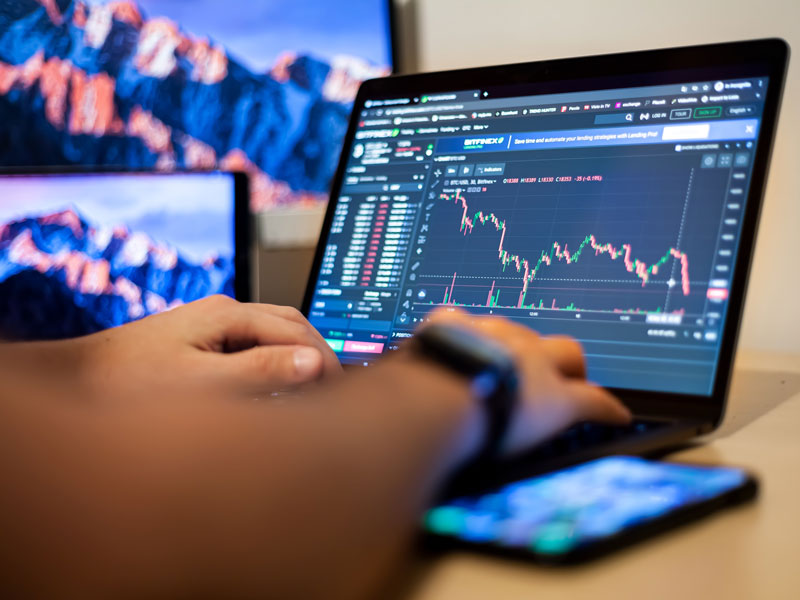
Demo trading in Forex provides a risk-free environment for traders to hone their skills and learn the art of currency trading. For those just starting, demo accounts are a practical way to practice strategies without the fear of losing real money. Many trading platforms, such as demo trading forex Trading Broker KW, offer advanced tools that are accessible even in demo mode, allowing you to simulate real trading conditions effectively.
What is Demo Trading?
Demo trading refers to the practice of trading financial instruments on a simulated account, which mirrors a real trading environment but uses virtual funds. This way, traders can execute trades, analyze market conditions, and utilize various trading strategies without financial risk. Demo accounts are often provided by brokers to allow potential clients to evaluate their trading platforms.
Why Should You Use a Demo Account?
The use of a demo account is highly beneficial, especially for novice traders. Here are several reasons why you should consider demo trading:
- Risk-Free Learning: New traders can explore the Forex market and its various dynamics without the fear of losing real money.
- Familiarizing with the Trading Platform: Demo accounts allow you to become accustomed to the trading platform’s interface and functionalities. You’ll learn how to place trades, analyze charts, and use indicators seamlessly.
- Testing Strategies: You can experiment with different trading strategies in a demo account to see which ones work best for you. This testing phase is crucial for developing a trading plan that suits your personality and risk tolerance.
- Building Confidence: Trading with virtual funds helps build your confidence as you develop your skills. Gaining assurance in your trading decisions can significantly impact your performance in real trading situations.
How to Start Demo Trading

Starting demo trading is quite simple. Follow these steps to begin:
- Choose a Reputable Broker: Research and select a trading broker that offers a robust demo trading platform. Look for brokers with strong reputations, excellent customer service, and comprehensive educational resources.
- Open a Demo Account: Complete the registration process by filling in your details. Most brokers require very minimal information to set up a demo account.
- Download the Trading Platform: If your broker requires a specific trading software, download and install it on your device. Many brokers also offer web-based platforms accessible directly from your browser.
- Get Familiar with the Platform: Once your demo account is set up, take the time to familiarize yourself with the various features and tools available. Experiment with placing trades and using different charting tools.
- Start Trading: Begin trading with virtual funds. Monitor your trades, analyze market movements, and refine your strategies based on your experiences.
Tips for Effective Demo Trading
Here are some valuable tips to maximize your demo trading experience:
- Treat it Like Real Trading: Approach your demo trading with the seriousness you would apply to a real account. Set realistic goals, create a plan, and monitor your progress. This mindset helps simulate the psychological aspects of live trading.
- Keep a Trading Journal: Document your trades, strategies, and the market conditions at the time of each trade. A trading journal can help you identify strengths, weaknesses, and patterns in your trading behavior.
- Avoid the Temptation to Overtrade: Just because you’re using a demo account doesn’t mean you should trade excessively. Stick to your trading plan and avoid impulsive decisions, which can mislead you about your actual trading abilities.
- Learn from Mistakes: Use any losses as learning opportunities. Analyze what went wrong and adjust your strategy accordingly. This will help you become a more versatile and resilient trader.
- Seek Feedback: If possible, share your trading journal or insights with experienced traders or seek online forums and communities. Feedback can provide valuable perspectives and aid in your development.
Transitioning from Demo to Live Trading
Once you feel confident and have a well-tested strategy, it’s time to consider transitioning to a live trading account. Here are some key points to keep in mind:
- Start Small: Begin with a small investment that you are comfortable losing. This way, you can minimize risks while you adjust to the emotional pressures of live trading.
- Continue Learning: The Forex market is constantly evolving. Keep educating yourself through courses, webinars, and trading books. Embrace ongoing learning to refine your strategies over time.
- Set Realistic Expectations: Understand that transitioning from demo to live trading can be challenging. Many traders experience a learning curve, and it’s essential to be patient with yourself.
Conclusion
Demo trading is an essential tool for any aspiring Forex trader. It not only provides a safe environment to develop your skills but also creates an opportunity to build a solid foundation before risking real capital. By treating your demo trading seriously and learning from each experience, you can make a smooth transition to successful live trading. Remember, every skilled trader started where you are today—so take advantage of the resources available and embark on your journey toward mastering Forex trading!