
Navigating the World of Forex Currency Trading Online

The foreign exchange market, also known as forex or FX, is the world’s largest financial market, with trillions of dollars traded daily. With the advent of the internet, forex currency trading has become increasingly accessible to individual traders worldwide. In this article, we’ll explore the fundamentals of forex trading online, strategies for success, and the benefits of utilizing the forex currency trading online Best Trading Apps to enhance your trading experience.
Understanding Forex Trading
Forex trading involves buying one currency while simultaneously selling another. Currencies are traded in pairs (e.g., EUR/USD, GBP/JPY), and the market operates 24 hours a day, five days a week. Understanding how to read currency pairs and the factors that influence exchange rates is crucial for traders. Exchange rates can fluctuate based on economic indicators, geopolitical events, and market sentiment, making it essential for traders to stay informed and adaptable.
Getting Started with Forex Trading Online
To start trading forex online, a trader needs to open an account with a forex broker. Brokers provide platforms that facilitate trades, allowing individuals to buy and sell currencies. Here are the steps to embark on your forex trading journey:
- Choose a Reliable Forex Broker: Research and compare different brokers based on their reputation, available trading platforms, spreads, and customer service.
- Open a Trading Account: This usually involves providing personal details and may require documentation to verify identity.
- Download the Trading Platform: Most brokers provide trading software that can be downloaded to a computer or used as a web-based application.
- Deposit Funds: Traders need to fund their accounts with an initial deposit to start trading. Payment methods may vary by broker.
- Learn the Platform: Familiarize yourself with the trading interface, tools, and resources available through the platform.
Forex Trading Strategies
Successful trading in the forex market often relies on the implementation of effective strategies. Here are a few strategies that traders commonly use:
- Scalping: This strategy involves making numerous trades throughout the day to capture small price movements. Scalpers aim to profit from tiny price changes in highly liquid currencies.
- Day Trading: Day traders buy and sell currencies within the same trading day to capitalize on intraday market movements. Positions are closed before the market closes to avoid overnight risks.
- Swing Trading: This strategy focuses on capturing short- to medium-term market moves. Swing traders typically hold positions for several days or weeks to capture larger price swings.
- Position Trading: Position traders are long-term traders who buy currencies and hold them for weeks, months, or years. This strategy relies on fundamental analysis to evaluate currency value over time.
The Role of Technical and Fundamental Analysis
To make informed trading decisions, traders typically use two forms of analysis: technical analysis and fundamental analysis.
- Technical Analysis: This involves analyzing historical price movements and using chart patterns, indicators, and other tools to predict future price movements. Traders often rely on various indicators such as moving averages, MACD, RSI, and Bollinger Bands.
- Fundamental Analysis: This approach involves assessing economic indicators, news events, and other macroeconomic factors that may impact currency values. Traders analyze data such as GDP growth, employment rates, inflation, and interest rates when making trading decisions.
Risk Management in Forex Trading
Risk management is a crucial aspect of successful forex trading. The forex market can be highly volatile, and effective risk management strategies can help protect your capital. Here are some key risk management practices to consider:
- Use Stop-Loss Orders: A stop-loss order automatically closes a losing trade to limit losses. This approach helps traders avoid emotional decision-making and protects their capital.
- Position Sizing: Determine how much of your capital you are willing to risk on a single trade. This practice allows you to avoid over-leveraging your account.
- Diversification: Avoid putting all your capital into a single currency pair. Diversifying your trades can help mitigate risk and reduce the impact of a single losing position on your overall account.
- Keep Emotions in Check: Emotional trading can lead to impulsive decisions. Developing a trading plan and sticking to it can help maintain discipline.
Utilizing Forex Trading Apps
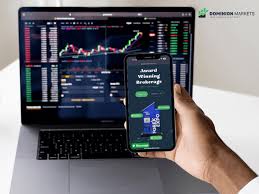
With the rise of technology, there are numerous mobile apps available that facilitate forex trading on the go. These apps provide access to real-time market data, news, and trading features which help traders monitor their positions and execute trades anytime and anywhere. Some benefits of using trading apps include:
- Convenience: Mobile apps allow traders to manage their accounts and execute trades from their smartphones or tablets.
- Real-Time Updates: Stay informed about market conditions and news that could impact your trades.
- Advanced Charting Tools: Access sophisticated charting and analysis tools directly from your device.
Conclusion
Forex currency trading online offers a world of opportunities for traders willing to learn and adapt. By understanding the market, utilizing effective strategies, conducting thorough analyses, and managing risks, traders can increase their chances of success in the forex realm. Additionally, leveraging the best trading apps can enhance your trading experience and keep you connected to the markets, no matter where you are. As with any investment, diligent research and continued education are key to thriving in the dynamic world of forex trading.